How to Get Rid of Ringworm – Effective Treatments and Tips
How to Get Rid of Ringworm: Proven Treatments and Tips
What Is the Fastest Way to Get Rid of Ringworm?
Ringworm is a fungal skin infection caused by dermatophytes, organisms that feed on the outer layers of skin. Despite its name, no actual worm is involved. The infection appears as a characteristic red, itchy rash with a ring-like appearance and raised, scaly borders. It spreads through direct skin-to-skin contact with an infected person or animal, or by touching contaminated surfaces such as towels, clothing, or shower floors.
Treatment with antifungal medication represents the fastest and most reliable approach. Most over-the-counter options eliminate the infection within two to four weeks when applied consistently. Understanding the available treatments and following a proper application schedule can significantly speed recovery and reduce the risk of spreading the infection to others.
Ringworm is a fungal infection, not a parasite
Antifungal creams are the first-line treatment
Full recovery typically takes 2-4 weeks
Keep the affected area clean and dry during treatment
Most Effective Treatment Options
Several over-the-counter antifungal creams have proven effective against ringworm. Terbinafine and clotrimazole are widely recommended as first-line options. These medications work by stopping the growth of dermatophyte fungi, allowing healthy skin to replace the infected tissue over time.
- Terbinafine (Lamisil): Apply 1-2 times daily for 1-2 weeks
- Clotrimazole: Apply 1-2 times daily for 1-3 weeks
- Miconazole (2%): Apply twice daily
- Ketoconazole: Apply once daily
- Tolnaftate: Apply twice daily for 2-3 weeks
Apply the cream to the visible rash and the surrounding skin area. Continue applying the medication for one to two weeks after the rash disappears to ensure the infection has been fully eliminated and to prevent recurrence.
Spread the antifungal cream slightly beyond the visible edges of the rash. Dermatophytes often extend beyond the visible area, and treating a slightly larger zone helps prevent the infection from spreading back to the original site.
When Prescription Treatments Become Necessary
Some cases require stronger prescription antifungal medications. Oral antifungals such as griseofulvin or higher-dose terbinafine may be prescribed for widespread infections, scalp ringworm, nail involvement, or cases that fail to respond to over-the-counter treatments after two weeks of consistent use. For more detailed information on dermatophyte fungal infections, the Centers for Disease Control and Prevention provides comprehensive guidance on diagnosis and treatment options.
Steroid creams should be avoided entirely. These medications may reduce itching temporarily but can actually worsen the fungal infection by suppressing the skin’s immune response, allowing the dermatophytes to multiply more aggressively.
Key Facts About Ringworm Treatment
| Category | Details |
|---|---|
| Cause | Dermatophyte fungi (tinea organisms) |
| Typical Appearance | Red, itchy, ring-shaped rash with raised borders |
| Primary Treatment | Topical antifungal creams |
| Treatment Duration | 2-4 weeks for skin; longer for scalp and nails |
| Contagious Period | Until 48 hours after starting effective treatment |
| Prescription Options | Oral antifungals for severe or resistant cases |
Does Ringworm Go Away on Its Own and How Long Does It Last?
Ringworm does not typically resolve without treatment. The infection can persist for months or even longer if left untreated. While minor cases in healthy individuals might eventually clear on their own, the risk of spreading the infection to others and the discomfort involved make proper treatment the recommended approach in most circumstances.
Most cases treated with consistent over-the-counter antifungal medication show improvement within the first week. Complete resolution of skin ringworm usually occurs within two to four weeks. The infection is no longer considered contagious after approximately 48 hours of effective treatment, once the rash begins to fade.
Treatment Timeline by Body Area
The duration of treatment varies depending on where the infection appears on the body. Skin infections on the torso, arms, or legs typically respond fastest, while infections in more challenging areas require longer treatment periods. The Mayo Clinic notes that ringworm can affect various body areas, each requiring tailored treatment approaches.
- Body ringworm (tinea corporis): 2-4 weeks with topical treatment
- Scalp ringworm (tinea capitis): 4-6 weeks or longer, often requiring oral medication
- Nail ringworm (tinea unguium): Several months of oral treatment
- Athlete’s foot (tinea pedis): 2-4 weeks for topical treatment
The most common reason for treatment failure is stopping medication too early. Continue applying antifungal cream for 1-2 weeks after the visible rash has completely disappeared to ensure the infection does not return.
Signs That Treatment Is Working
Early indicators of successful treatment include reduced redness, decreased itching, and the rash becoming less raised or scaly. The characteristic ring shape may appear to expand slightly as healthy skin grows inward from the edges. This apparent expansion is actually a positive sign that the infection is retreating.
Blistering or oozing should diminish within the first few days of effective treatment. If these symptoms persist or worsen after several days of consistent application, consult a healthcare provider to confirm the diagnosis and explore alternative treatment options.
What Are Effective Home Remedies for Ringworm?
Several natural remedies may help soothe ringworm symptoms and support the healing process. However, these should be used alongside conventional antifungal treatments rather than as replacements. None of the home remedies have been conclusively proven to eliminate ringworm on their own, and delaying effective medical treatment can allow the infection to spread.
Natural Options With Supportive Evidence
Some natural substances have demonstrated antifungal properties in laboratory settings. While clinical evidence for their effectiveness against ringworm in humans remains limited, many people report symptom relief when using these remedies in conjunction with over-the-counter antifungal creams. Research from the National Institutes of Health explores various natural compounds with potential antifungal activity.
- Apple cider vinegar: Apply undiluted to the affected area three times daily
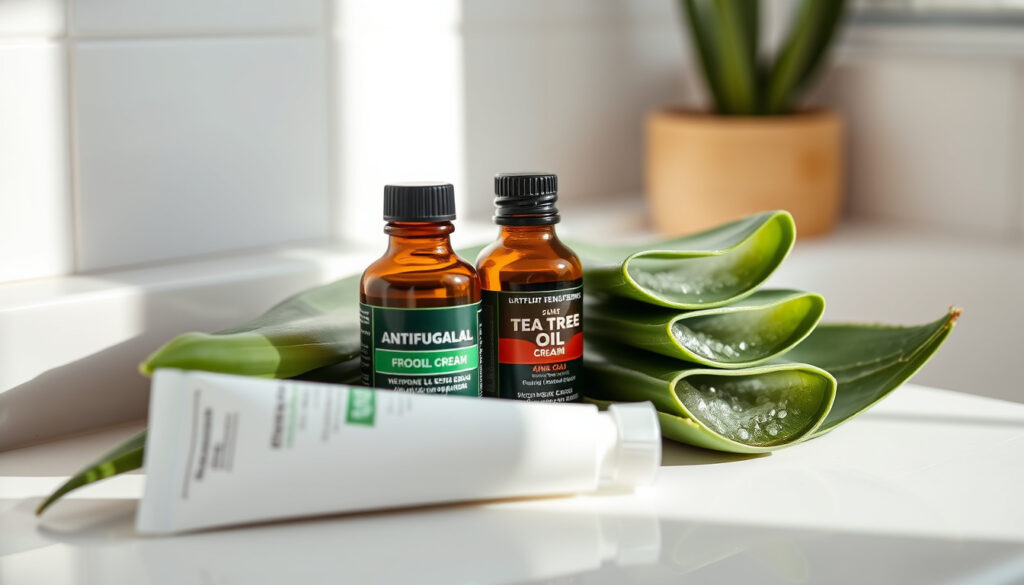
- Aloe vera gel: Apply three to four times daily for cooling and potential antifungal effects
- Coconut oil: Apply three times daily; moisturizes skin while potentially inhibiting fungal growth
- Tea tree oil: Dilute with a carrier oil and apply three times daily
- Oregano oil: Dilute and apply two to three times daily
- Grapefruit seed extract: Mix one drop with water and apply twice daily
- Turmeric paste: Apply directly to the rash and allow to dry
No home remedy provides instant elimination of ringworm. The fastest reliable relief comes from starting over-the-counter antifungal cream treatment promptly. Natural remedies may complement medical treatment but should not replace it, particularly for spreading or persistent infections.
Supporting Treatment With Good Hygiene
Regardless of which treatment approach is chosen, maintaining proper hygiene accelerates recovery and prevents reinfection. Keep the affected area clean and dry, as dermatophytes thrive in moist environments. Wash hands thoroughly after touching the infected area, and avoid scratching, which can spread the fungus to other body parts or surfaces.
Change towels, bedding, and clothing that contact the rash daily. Use hot water when washing these items to help eliminate fungal spores. Vacuum and disinfect shared living spaces if the infection affects multiple household members. The World Health Organization emphasizes the importance of proper hygiene practices in preventing the spread of fungal infections in community settings.
How Do You Treat Ringworm on the Scalp or Other Areas?
Ringworm affecting the scalp, nails, or face requires different treatment approaches than skin infections on the body. These areas respond poorly to topical treatments alone due to the nature of the skin and hair follicles involved. Medical evaluation is essential for infections in these locations.
Scalp Ringworm (Tinea Capitis)
Scalp ringworm commonly affects children but can occur in adults as well. The infection causes itchy, scaly patches where hair may break off or fall out temporarily. Over-the-counter topical creams cannot penetrate hair follicles effectively, making oral antifungal medication necessary.
Treatment typically involves prescription oral antifungals such as griseofulvin or terbinafine, usually taken for four to six weeks or longer. An antifungal shampoo containing selenium sulfide or ketoconazole may be recommended as a supplementary treatment to reduce fungal spores on the scalp and minimize transmission to others.
Scalp ringworm spreads easily among family members. All household members should use the recommended antifungal shampoo periodically until the infection clears. Avoid sharing combs, brushes, hats, or pillows to prevent transmission.
Nail Ringworm (Tinea Unguium)
Nail infections cause thickening, discoloration, and crumbling of the nail. Topical treatments rarely reach the infection under the nail plate, making oral antifungal medication the standard approach. Treatment typically lasts several months and requires monitoring by a healthcare provider due to potential side effects of long-term oral antifungal use.
Groin and Foot Infections
Ringworm in the groin area (jock itch) and on the feet (athlete’s foot) responds well to the same over-the-counter antifungal creams used for body ringworm. These areas tend to remain moist, so keeping them dry is particularly important for successful treatment. For athletes and individuals frequently using communal facilities, the American Academy of Dermatology provides specific recommendations for preventing fungal infections in high-risk environments.
Wear loose, breathable clothing and moisture-wicking fabrics. For athlete’s foot, choose cotton socks and well-ventilated shoes. Antifungal powder can help keep these areas dry during treatment. Continue treatment for at least one to two weeks after symptoms resolve to prevent recurrence.
What Is the Expected Treatment Timeline?
Understanding the typical progression of ringworm treatment helps set realistic expectations and ensures treatment is continued long enough to achieve complete resolution. Recovery follows a predictable pattern when consistent treatment is applied from the beginning.
- Days 1-3: Begin applying over-the-counter antifungal cream twice daily to the rash and surrounding skin. Wash and dry the area thoroughly before each application.
- Week 1: Itching typically decreases and the rash begins to fade. Redness diminishes while the skin starts to heal in the center of affected patches. Continue treatment even if improvement seems significant.
- Weeks 2-4: The rash continues to fade as healthy skin grows back. The characteristic ring shape may become less defined. Complete resolution occurs in most straightforward cases by the end of week four.
- Post-treatment: Continue applying antifungal medication for 1-2 weeks after the rash has fully disappeared. Wash all bedding, towels, and clothing that contacted the infection in hot water to prevent reinfection from contaminated items.
What Is Certain and What Remains Unclear About Ringworm?
While ringworm is a well-understood condition with established treatment protocols, certain aspects of the infection and its management continue to present questions for both patients and healthcare providers.
Established Information
- Ringworm is caused by dermatophyte fungi
- Antifungal creams effectively treat most cases
- Consistent treatment resolves 70-90% of infections
- Ringworm is contagious until 48 hours after starting treatment
- Diagnosis can be confirmed through skin scrapings
- Scalp and nail infections require oral medication
Remaining Uncertainties
- Why some individuals are more susceptible to infection than others
- Optimal duration of treatment for specific individuals
- Which home remedies provide meaningful benefit beyond symptom relief
- Long-term effects of repeated ringworm infections
Antibiotics are ineffective against ringworm because they target bacteria, not fungi. Using antibiotics for a suspected ringworm infection wastes time and may cause unnecessary side effects. A healthcare provider can confirm the diagnosis and recommend appropriate antifungal treatment if needed. The Food and Drug Administration provides guidance on over-the-counter antifungal products and their proper use.
Consult a doctor if no improvement occurs after two weeks of consistent over-the-counter treatment, if the infection spreads significantly, or if fever develops alongside the skin symptoms. Infants, pregnant individuals, elderly people, and those with weakened immune systems should seek medical evaluation promptly when ringworm is suspected. For immunocompromised patients, the Infectious Diseases Society of America offers clinical practice guidelines for managing fungal infections.
Understanding Ringworm: Background and Context
Ringworm has been documented in human populations for thousands of years, with references appearing in ancient medical texts. The name originated from the mistaken belief that the characteristic circular rash was caused by a worm living under the skin. Modern medicine identified the true fungal cause in the 19th century.
The infection thrives in warm, moist environments, making communal areas such as locker rooms, swimming pools, and wrestling mats common sources of transmission. Athletes, particularly those participating in contact sports, experience higher rates of infection. Children are especially susceptible to scalp ringworm due to close physical contact during play and developing immune systems.
Ringworm can be transmitted from pets, especially cats and dogs. Animals may show visible signs of infection such as circular patches of missing fur, or they may carry the fungus without obvious symptoms. Any household pet showing signs of skin infection should be evaluated by a veterinarian to prevent ongoing transmission to human family members.
The circular rash can resemble other skin conditions including eczema, psoriasis, and pityriasis rosea. A healthcare provider may examine skin scrapings under a microscope or send samples for fungal culture to confirm the diagnosis, particularly if the rash does not respond to standard antifungal treatment.
Expert Guidance on Ringworm Treatment
“Ringworm is very common and can affect anyone. It is easily treated with antifungal medications that are available over the counter or by prescription from your healthcare provider.”
— Centers for Disease Control and Prevention
“Keep the infected area clean and dry. Shampoo daily, especially during an active scalp infection. Use separate towels for the infected area and wash them frequently.”
— Mayo Clinic
These recommendations from leading health organizations emphasize that prompt, consistent treatment leads to successful outcomes in most cases. Delaying treatment or using inappropriate medications such as steroid creams can prolong the infection and increase the risk of spreading it to others.
For those with questions about ringworm or its treatment, consulting a pharmacist can provide immediate guidance on selecting appropriate over-the-counter products. A healthcare provider should be consulted when the infection affects the scalp, nails, or face; when over-the-counter treatment fails; or when the person is very young, elderly, pregnant, or immunocompromised.
Next Steps After Treatment
Completing treatment represents only part of managing ringworm effectively. Preventing recurrence and protecting others from infection require ongoing attention to hygiene and environmental cleaning. The infection can return if fungal spores remain on clothing, bedding, or surfaces that contact the affected area.
Wash all potentially contaminated items in hot water with detergent. Vacuum mattresses, rugs, and upholstered furniture thoroughly. Disinfect hard surfaces with appropriate cleaning products. Continue these cleaning practices for at least one week after completing treatment to minimize the risk of reinfection from the environment.
If a pet was the source of the infection, ensure the animal receives appropriate veterinary treatment. Continue monitoring household pets for signs of skin infection, as animals can reinfect humans even after human treatment is complete. For more information on recognizing and managing common skin conditions, explore our Hand Foot and Mouth Disease Symptoms and Care resource or find local pharmacy services at our 24 Hour Pharmacy Near Me directory.
Frequently Asked Questions
What does ringworm look like?
Ringworm appears as a red, itchy, circular rash with raised, scaly borders. The center may appear clearer or less red than the edges, creating a ring-like appearance. Blistering or oozing can occur in some cases.
Is ringworm contagious?
Yes, ringworm spreads through direct skin-to-skin contact with an infected person or animal, or by touching contaminated surfaces. The infection remains contagious until approximately 48 hours after effective treatment begins.
How long does ringworm last?
With proper treatment, ringworm on the skin typically resolves within 2-4 weeks. Scalp infections may take 4-6 weeks or longer, while nail infections often require several months of treatment.
What kills ringworm instantly?
No treatment eliminates ringworm instantly. Antifungal creams begin killing the fungus within days, but complete elimination requires consistent application for the full recommended treatment period.
Can ringworm go away without treatment?
Ringworm may eventually resolve on its own, but this can take months and risks spreading the infection to others. Treatment with antifungal medication is recommended for faster resolution.
How should I apply ringworm cream?
Clean and dry the affected area before each application. Apply the cream to the visible rash and the surrounding skin. Continue treatment for 1-2 weeks after the rash disappears to prevent recurrence.
When should I see a doctor for ringworm?
Consult a healthcare provider if the infection affects the scalp, nails, or face; if there is no improvement after two weeks of treatment; or if the person is an infant, pregnant, elderly, or immunocompromised.
Does ringworm leave scars?
Ringworm typically does not leave permanent scars, though skin discoloration may persist for some time after the infection clears. Scratching excessively can cause additional skin damage.
More related posts
 Speed Awareness Course Cost: Fees, Eligibility & Worth
 Bernardo Silva Real Madrid Transfer: Confirmed Career Timeline
 Bernard Hill: Cause of Death, Movies, Marriage, and Career
 Steve Coogan Movies and TV Shows – Complete Filmography Guide
 Renault Trafic: Reliability, Price, Specs & Irish Buyer Tips
 State Pension in Ireland 2026: Full Rates & Eligibility
 Indian Summer UK Weather 2025: Definition, Forecast & Origins
 Renew Driving Licence at 70 – UK Guide and Steps
