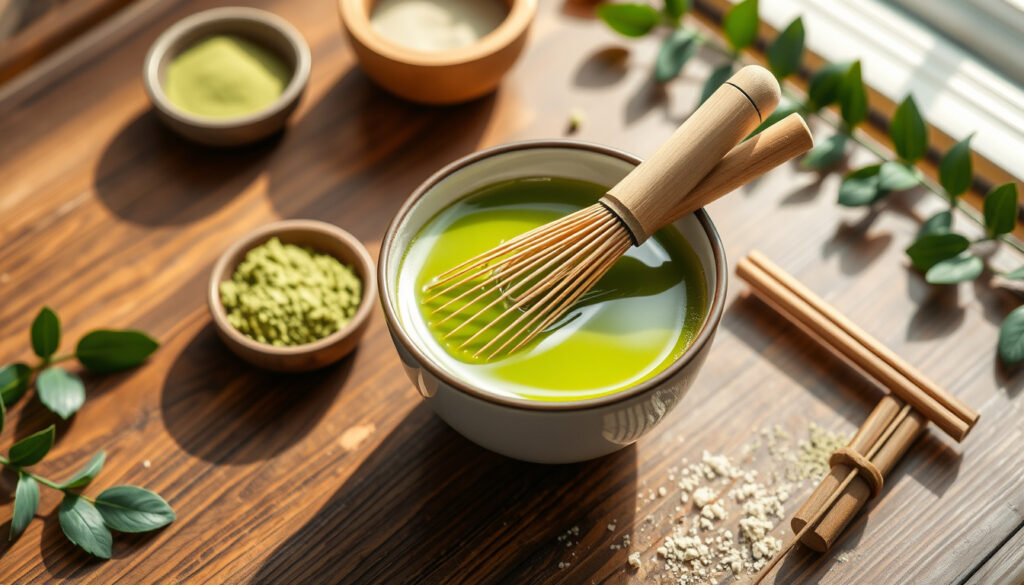
Is Matcha Good for You? Science-Backed Benefits & Risks
You’ve seen the vibrant green lattes on your social feeds, and maybe you’ve wondered if the hype is real. Packed with antioxidants like EGCG, matcha has been linked to improved heart health and metabolism (Medical News Today), but this article separates the science-backed benefits from the social media buzz so you can decide if matcha deserves a spot in your daily routine.
Antioxidant content: Higher concentrations than green tea (Medical News Today) · Caffeine per serving: Approximately 70 mg per teaspoon (Healthline) · L-theanine content: Promotes calm alertness (Harvard Health Publishing)
Quick snapshot
- Lowers LDL cholesterol (Harvard Health)
- Improves blood flow (WebMD)
- Anti-inflammatory properties (Medical News Today)
- L-theanine enhances focus (Harvard Health)
- Caffeine provides alertness (WebMD)
- May protect against cognitive decline (PubMed Central)
- Boosts metabolism (WebMD)
- Supports fat oxidation (PubMed Central)
- Low calorie beverage (Healthline)
- Antioxidants fight free radicals (Healthline)
- May reduce UV damage (WebMD)
- Anti-aging benefits (Medical News Today)
Five key facts about matcha: from its origins to the right way to serve it.
| Fact | Details |
|---|---|
| Origin | Japan, used in traditional tea ceremonies since the 12th century (Medical News Today) |
| Processing | Shade-grown tea leaves, steamed, dried, and ground into fine powder (Healthline) |
| Caffeine Range | 50–80 mg per teaspoon (2g) (Healthline) |
| Antioxidant Content | Highest ORAC score among green teas (WebMD) |
| Serving Suggestion | 1-2 teaspoons whisked with hot water (175°F / 80°C) (Medical News Today) |
What are the pros and cons of matcha?
Is matcha good for your heart?
- Matcha’s catechins, especially EGCG, have been shown to lower LDL cholesterol and improve blood flow (Harvard Health Publishing).
- A meta-analysis in the European Journal of Nutrition found that green tea catechins help lower blood pressure and LDL cholesterol (Harvard Health Publishing).
- However, the evidence is largely based on green tea studies; direct matcha-specific heart trials are limited (PubMed Central).
The pattern: matcha likely supports heart health through its antioxidant profile, but don’t expect it to replace medication or a healthy diet.
Is matcha good for your skin?
- Antioxidants in matcha combat oxidative stress, which can slow skin aging (Healthline).
- WebMD notes that matcha may help reduce UV damage and support dental health (WebMD).
For skin, the evidence is promising but largely indirect — the same antioxidants that work internally also benefit skin when consumed regularly.
Is matcha good for your stomach?
- The chlorophyll in matcha may aid digestion, but high caffeine can cause stomach upset in sensitive people (Healthline).
- According to Ujji Matcha Tea, matcha may reduce iron absorption when consumed with meals.
The catch: if you have a sensitive stomach, start with half a teaspoon and see how you feel.
Is matcha latte good for you?
- A matcha latte with unsweetened milk alternatives retains the health benefits, but added sugar and high-fat milk can turn it into a calorie-dense treat (Healthline).
- For weight management, the latte version may not be ideal if you’re watching sugar intake.
The trade-off: a plain matcha latte is still healthier than a sugary soda, but don’t mistake it for a low-calorie health drink if you add syrups and cream.
Matcha’s benefits are real, but they’re dose-dependent and context matters. For most people, 1-2 cups of plain matcha provides antioxidants with manageable caffeine. Opt for unsweetened lattes to keep the health edge.
What this means: Matcha is a functional food, not a magic bullet. Its pros and cons depend largely on how you prepare it and your personal tolerance.
The pattern: matcha’s benefits are real but context‑dependent.
Is it safe to drink matcha every day?
Is there a downside to matcha?
- Moderate daily intake (1-3 cups) is generally safe for most adults (Healthline).
- High caffeine can cause insomnia, anxiety, or digestive issues in sensitive individuals (WebMD).
- Lead contamination is a concern because the whole leaf is consumed; some matcha powders have been found to contain lead (Healthline).
- Oxalate content may affect kidney stone risk for those predisposed (Healthline).
Lead contamination is a real concern for daily matcha drinkers. Choose brands that test for heavy metals and source from regions with strict agricultural standards (Healthline).
The catch: while matcha is safe for most, quality matters. Choosing ceremonial-grade matcha from reputable Japanese sources reduces contaminant risk.
The implication: For the average healthy person, daily matcha is fine — but if you’re pregnant, caffeine-sensitive, or have kidney issues, consult a doctor.
Does matcha burn belly fat?
Is matcha good for weight loss?
- Matcha may modestly increase thermogenesis and fat oxidation due to its combination of EGCG and caffeine (WebMD).
- Studies show small effects on belly fat reduction when combined with exercise, but the effect size is modest (PubMed Central).
The evidence: A review in PubMed Central found that matcha showed possible cardio-metabolic benefits in animal studies, but human trials remain limited.
Does matcha weight loss really work?
- Not a magic bullet; diet and activity matter more. The catechins + caffeine synergy may give a slight edge, but relying on matcha alone won’t produce significant weight loss (Healthline).
What is the no. 1 weight loss drink?
Water is still the top weight loss drink. Matcha can be a helpful addition, but it’s not a substitute for a calorie-controlled diet.
Why this matters: If you’re looking for a weight loss shortcut, matcha isn’t it. But as part of a balanced diet, it can support metabolism without the jitters of coffee.
What this means: matcha can support metabolism but not replace diet.
Which is healthier, green tea or matcha?
Green Tea Vs. Matcha – Is there a difference?
- Matcha contains higher antioxidant concentration because the whole leaf is consumed (Medical News Today).
- Matcha has more caffeine than regular green tea (Healthline).
- Green tea offers similar benefits with lower caffeine (Medical News Today).
- Both provide L-theanine and catechins (Harvard Health).
The key difference is concentration. Because you consume the entire leaf with matcha, you get more of everything — antioxidants, caffeine, and also potential contaminants.
Three points of comparison show the trade-offs:
| Attribute | Matcha | Green Tea |
|---|---|---|
| Antioxidant concentration | Higher (whole leaf powder) (Medical News Today) | Lower (infused water only) |
| Caffeine per cup | ~70 mg (Healthline) | ~30 mg |
| L-theanine content | 25-40 mg (Harvard Health) | Lower |
| Calories (unsweetened) | 3-5 cal (Healthline) | ~2 cal |
| Preparation | Whisk powder with water | Steep leaves in water |
The trade-off: Matcha delivers more potency per sip, but green tea allows you to enjoy similar benefits with less caffeine and lower cost. Your choice depends on your tolerance and how much you’re willing to pay for convenience.
Why is Gen Z obsessed with matcha?
One reason is the “health halo” — matcha is seen as a clean, functional beverage. According to Healthline, matcha is rich in antioxidants that appeal to health-conscious consumers. Café culture and the rise of matcha lattes as an alternative to coffee also play a role.
What this means: Matcha’s trend status is fueled by both genuine health appeal and social media aesthetics. For brands, it’s a marketing goldmine; for consumers, it’s a chance to drink something that looks and feels good.
Pros and cons of matcha at a glance
Upsides
- High antioxidant content (EGCG) may support heart health
- L-theanine promotes calm focus without drowsiness
- May boost metabolism modestly
- Versatile in drinks and cooking
- Low in calories (unsweetened)
Downsides
- Caffeine can cause jitters and sleep issues
- Possible lead contamination depending on source
- Oxalate content may risk kidney stones
- Can be expensive for high-quality ceremonial grade
- May interfere with iron absorption
What we know vs what’s still unclear
Confirmed facts
- Matcha is high in antioxidants (catechins, EGCG) (Healthline)
- Contains L-theanine which promotes relaxation without drowsiness (Harvard Health)
- Caffeine content can enhance alertness (WebMD)
What’s unclear
- Direct cause-effect evidence for weight loss is limited (PubMed Central)
- Cancer prevention benefits are still under investigation (PubMed Central)
- Specific impact on belly fat versus overall fat loss (WebMD)
- Moderate consumption supports liver health in some studies (PubMed Central)
The implication: while matcha has proven benefits, many health claims need more human research.
What experts say
Matcha contains an abundance of antioxidants (including polyphenols such as catechins) and phytochemicals (such as chlorophyll and quercetin).
Randomized clinical trials found matcha decreases stress and slightly enhances attention and memory, with no effect on mood.
These expert views underline matcha’s nutrient density and potential cognitive benefits.
The takeaway
For the health-conscious consumer, matcha offers a genuine nutrient boost compared to regular tea or coffee. But the hype around weight loss and belly fat reduction is overstated. If you enjoy the taste and can afford quality matcha, it’s a worthy addition to your diet — just don’t expect it to transform your health on its own. The smartest approach: use matcha as part of a varied, whole-food diet, and choose ceremonial-grade from trusted producers to minimize contaminant risks. For the average drinker looking for a healthier caffeine fix, the choice is clear: matcha is a solid upgrade over sugary energy drinks and low-quality coffee, but it’s not a necessity.
Related reading: Is Swimming Good for Weight Loss
For a more comprehensive look at the science behind the claims, see this detailed analysis of matchas health effects from a UK-based health publication.
Frequently asked questions
How much matcha should I drink per day?
Most experts recommend 1-3 cups per day, or up to 2 teaspoons (about 4 grams) of matcha powder (Healthline).
Does matcha have more caffeine than coffee?
Matcha contains about 70 mg of caffeine per teaspoon, compared to 95 mg in an average cup of coffee (WebMD).
Can matcha help with anxiety?
The L-theanine in matcha promotes relaxation and may reduce anxiety-related stress (Harvard Health).
Is matcha safe during pregnancy?
Caffeine intake should be limited during pregnancy; matcha contains around 70 mg per serving (WebMD).
Does matcha stain your teeth?
Green tea can cause staining due to tannins; matcha, being more concentrated, may also contribute to staining if consumed excessively (Healthline).
What is the best time to drink matcha?
Morning or early afternoon is ideal due to caffeine content; avoid late evening to prevent sleep disruption (Medical News Today).
Can matcha cause allergies?
Allergic reactions are rare but possible, especially in those with sensitivity to tea plants (Healthline).
How do I choose high-quality matcha?
Look for ceremonial-grade matcha from Japan (ideally Uji or Nishio) with a vibrant green color and fine texture (Medical News Today). Avoid dull, brownish powders.
These answers cover common queries about daily use and safety.
More related posts
 Where to Watch Sex and the City: Netflix, Prime, HBO Max, NOW TV
 Matthew Broome: Age, Biography, and Who He Has Dated
 Josh Finan Movies and TV Shows: Complete Filmography
 What Is My Postcode? Find It Fast with Official Tools
 Richard Nixon: Watergate Scandal and Resignation
 Demi Rose: Did She Leave OnlyFans? Life in Ibiza Now
 Party Food to Order: Catering Tips, Costs & Popular Picks
 Mobile Hairdressers Near Me – Prices and Top UK Providers
