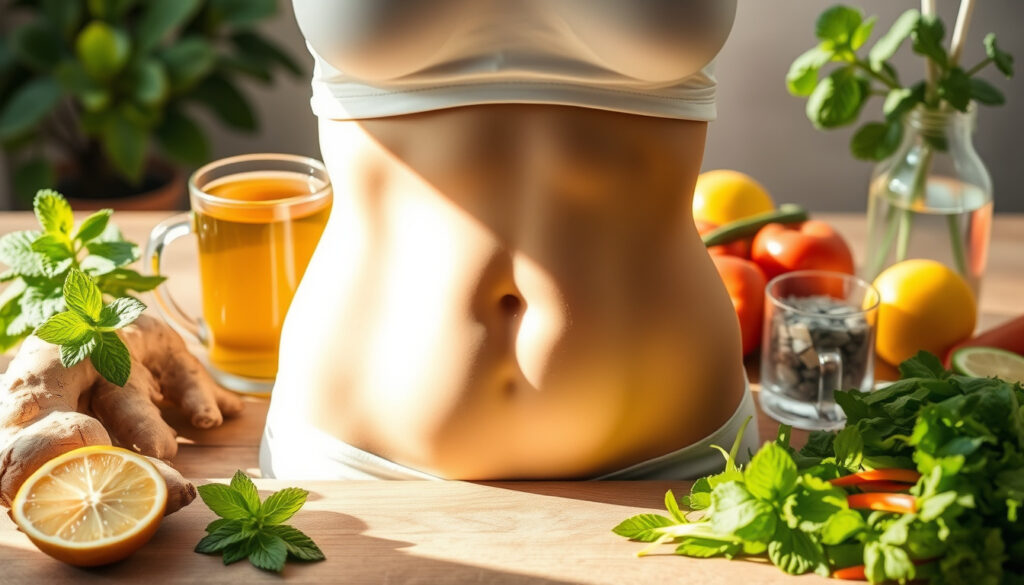
How to Reduce Bloating Fast: Tips from NHS, Cleveland Clinic
That uncomfortable full, tight feeling in your belly after a heavy meal or a long day—it has a name, and it has solutions. Bloating affects most people at some point, and while it’s usually harmless, it can turn a regular afternoon into an uncomfortable wait for relief. The good news is that mostTrusted medical sources like the NHS, Cleveland Clinic, and Brigham and Women’s Hospital agree on a handful of practical steps that really do help.
Eat enough fiber: Prevents bloating (Cleveland Clinic) · Drink enough water: Supports digestion (Cleveland Clinic) · Exercise regularly: Improves digestion (NHS) · Avoid processed foods: Low fiber high salt fat (Cleveland Clinic) · Eat smaller meals: Reduces gas (Brigham and Women’s)
Quick snapshot
- Exercise like walking helps prevent and relieve bloating (NHS)
- Smaller, more frequent meals reduce gas buildup (Brigham and Women’s Hospital)
- More fiber prevents constipation-related bloating (Cleveland Clinic Health Essentials)
- Fewer processed and fatty foods reduces gas production (NHS)
- Drinking enough water daily supports healthy digestion (Cleveland Clinic Health Essentials)
- Room temperature beverages are easier on digestion than cold drinks (Brigham and Women’s Hospital)
- Chewing food well reduces swallowed air that causes bloating (Brigham and Women’s Hospital)
- Eating slowly and sitting up straight after meals helps gas pass naturally (Brigham and Women’s Hospital)
The table below summarizes key recommendations from hospital and clinic sources, organized by prevention strategies and common pitfalls.
| Factor | Recommendation | Source |
|---|---|---|
| Top prevention | Exercise, fiber, and water intake | NHS, Cleveland Clinic |
| Avoid | Processed foods, fatty foods, chewing gum | Cleveland Clinic, Mayo Clinic, Meaghers Pharmacy |
| Meal habits | Eat slowly, smaller meals, chew well | Brigham and Women’s Hospital |
| Drinks | Water at room temperature, herbal teas | Brigham and Women’s Hospital, OSF HealthCare |
| Physical activity | Walking or stretching after meals | NHS, OSF HealthCare |
| Heat therapy | Warm compress or heating pad on abdomen | OSF HealthCare |
The pattern is consistent across major health institutions: lifestyle adjustments outperform quick fixes for lasting relief.
What reduces bloating quickly?
When bloating hits, two strategies consistently come up in hospital guidelines: moving your body and adjusting what you eat. The NHS recommends regular exercise specifically because it improves digestion and helps prevent the gas buildup that causes that tight feeling. Cleveland Clinic adds that eating enough fiber prevents constipation, which is one of the most common culprits behind a bloated belly.
Immediate actions
Physical activity stimulates your digestive system. A short walk after eating helps gas move through your intestines rather than sitting trapped. OSF HealthCare recommends simple stretches or just getting up and moving around as one of the fastest ways to get relief. Even five minutes of gentle movement can make a noticeable difference.
Diet adjustments
What you eat matters as much as how you move. Processed foods tend to be low in fiber and high in salt and fat—all of which contribute to bloating. Mayo Clinic specifically advises eating fewer fatty foods because they slow down digestion. On the flip side, Brigham and Women’s Hospital notes that eating slowly and consuming smaller, more frequent meals gives your digestive system less to handle at once, which means less gas production overall.
“Cleveland Clinic guidelines consistently emphasize that eating enough fiber, drinking enough water, and getting regular exercise are the three pillars of preventing bloating.”
How to get unbloated in 5 minutes at home?
You do not always need to wait for digestion to run its course. Several techniques from hospital sources can help you feel noticeably better within five minutes, starting with movement and heat.
Quick exercises
Walking is the simplest option—take a loop around your home or step outside for a few minutes. OSF HealthCare notes that physical activity like walking or stretching directly stimulates digestion and helps alleviate bloating. Brigham and Women’s Hospital also recommends taking a stroll after eating specifically to help reduce that post-meal puffed-up feeling. The movement encourages gas to travel through your system instead of pooling.
Breathing techniques
Deep breathing exercises can help too. When you breathe deeply, you engage your diaphragm and abdominal muscles in a way that encourages gas to move along. Combine this with sitting up straight—Brigham and Women’s Hospital notes this posture helps reduce bloating after eating.
“NHS guidelines highlight that regular physical activity, including simple walking, is one of the most effective ways to prevent and relieve bloating naturally.”
Five minutes of walking plus a heating pad on your abdomen can beat waiting it out for an hour. The Cleveland Clinic-backed approach of combining movement with heat targets both the gas and the muscle tension that make bloating uncomfortable.
How do I debloat my stomach?
Debloating is less about one magic fix and more about building habits that keep gas from building up in the first place. Cleveland Clinic emphasizes three pillars: enough fiber, enough water, and enough movement. Brigham and Women’s Hospital adds the how of eating—slowly, thoroughly, and with good posture.
Natural remedies
Herbal options come up frequently in medical guidance. OSF HealthCare notes that peppermint and ginger relax stomach muscles, which reduces spasms and the bloated feeling. Johns Hopkins Medicine experts, cited by AARP, confirm that ginger can help cut down on many causes of gas and bloating. Chamomile, according to OSF HealthCare, is an anti-inflammatory herb that helps reduce the swelling associated with bloating. Peppermint oil is considered one of the most effective treatments for bloating and may be particularly helpful for people with IBS or SIBO conditions, according to Cleveland Clinic.
Peppermint and ginger work by relaxing the smooth muscles of your digestive tract, which explains why they target the bloating sensation itself rather than just addressing the underlying gas. Brigham and Women’s Hospital adds that drinking beverages at room temperature rather than cold can further support this relaxation response.
Lifestyle tips
Beyond remedies, everyday habits make a difference. Brigham and Women’s Hospital specifically recommends chewing food well because it reduces the amount of air you swallow—a direct contributor to bloating. Meaghers Pharmacy guidance advises avoiding chewing gum, which also introduces excess air into your digestive system. Sitting up straight after eating helps too, according to Brigham and Women’s Hospital, by giving your organs room to process food without added pressure.
Small adjustments to daily routines compound into meaningful relief over time.
What drink kills bloating?
The right drinks can either fight bloating or make it worse. Cleveland Clinic guidance is straightforward: drink enough water, as it supports digestion and helps prevent constipation-related bloating. The key is swapping wisely.
Herbal options
Ginger tea is a top recommendation. Experts at Johns Hopkins Medicine, cited through AARP, confirm that ginger helps cut down on gas and bloating causes. Peppermint tea offers similar benefits through its muscle-relaxing properties. OSF HealthCare recommends chamomile tea specifically for its anti-inflammatory effect on a bloated belly. These herbal options work best warm, as the heat itself can help relax abdominal muscles.
Hydration strategies
Carbonated beverages are a common mistake. Both soda and beer introduce carbon dioxide gas directly into your digestive system, which contributes to bloating rather than relieving it. Meaghers Pharmacy guidance recommends swapping soft drinks for water instead. Brigham and Women’s Hospital adds that beverages at room temperature are easier on digestion than cold drinks, so let your water sit for a few minutes before drinking if you have it chilled. Aim to drink water consistently throughout the day rather than gulping a lot at once, which can itself introduce air.
What causes bloating?
Understanding what triggers bloating helps you avoid it in the first place. Most causes fall into two categories: what you eat and how you eat it. Cleveland Clinic specifically points to processed foods as a major culprit because they combine low fiber with high salt and fat—exactly the combination that slows digestion and creates gas.
Common triggers
Excess gas is the most common cause of bloating, and it comes from two sources: gas produced by bacteria in your gut breaking down certain foods, and air swallowed while eating or drinking. Fatty foods are particularly problematic because they delay stomach emptying. Mayo Clinic recommends eating fewer fatty foods for this reason. Salt contributes by causing water retention, which adds a puffy feeling on top of the gas. Processed foods tend to score poorly on all three counts, according to Cleveland Clinic.
Foods to avoid
Certain foods produce more gas than others during digestion. Beans, cruciferous vegetables like broccoli and cauliflower, and artificial sweeteners are known gas-producers. High-sodium processed foods cause water retention on top of gas. Mayo Clinic guidance specifically recommends reducing fatty food intake to manage bloating. Meaghers Pharmacy adds that carbonated drinks, including sparkling water, can worsen bloating symptoms by introducing additional gas directly into your stomach.
If bloating persists despite dietary changes and movement, it may signal an underlying condition like IBS, lactose intolerance, or a more serious digestive issue. Brigham and Women’s Hospital recommends speaking with a healthcare provider if changes to diet and lifestyle do not bring relief within a few weeks.
Persistent symptoms rarely resolve without addressing the root dietary and lifestyle factors.
How to reduce bloating: quick steps
Here is the distilled guidance from hospital sources, broken down into actions you can take right now:
- Move after meals: A 5–10 minute walk stimulates digestion and helps gas pass (NHS, OSF HealthCare)
- Apply heat: A warm compress or heating pad on your abdomen relaxes muscles and reduces discomfort (OSF HealthCare)
- Swap drinks: Replace soda and sparkling water with still water or ginger tea (AARP, Meaghers Pharmacy)
- Eat smaller portions: Five small meals cause less gas buildup than two large ones (Brigham and Women’s Hospital)
- Slow down and chew: Thorough chewing reduces swallowed air and gives enzymes more surface area to work with (Brigham and Women’s Hospital)
These steps work best when applied together as a daily routine rather than used sporadically.
Summary
Bloating is uncomfortable but rarely dangerous, and the solutions are simpler than many people realize. Medical institutions like the NHS, Cleveland Clinic, and Brigham and Women’s Hospital consistently point to the same core habits: move your body, drink water instead of carbonated drinks, eat fiber-rich whole foods instead of processed ones, and slow down at mealtimes. Herbal remedies like peppermint and ginger add targeted relief when symptoms do strike. The pattern is clear: small, consistent changes to how you eat and move prevent bloating better than any single cure.
For anyone dealing with regular bloating, the choice is straightforward: build the habits that address the root causes—fiber intake, hydration, movement, and slower eating—or manage recurring symptoms with temporary fixes. Most people find that two or three of these steps together make a noticeable difference within days.
Readers dealing with bloating alongside weight concerns may find additional guidance in our analysis of swimming for weight loss, while those exploring digestive wellness topics can learn more about parasitic transmission routes and prevention.
health.harvard.edu, royalberkshire.nhs.uk, hollandandbarrett.com, sath.nhs.uk
Frequently asked questions
What relieves bloating fast?
Walking, applying heat to your abdomen, and drinking ginger or peppermint tea are among the fastest-acting remedies according to hospital guidelines. Brigham and Women’s Hospital recommends a post-meal stroll, while OSF HealthCare notes that a warm compress relaxes abdominal muscles and reduces the bloated feeling.
How to flush gas out of your stomach?
Physical movement is the most effective approach. A short walk or gentle stretching stimulates your digestive system and helps gas travel through your intestines. Sitting up straight after eating also helps, according to Brigham and Women’s Hospital, by allowing your organs room to process food without added pressure.
What are 5 signs of bloating?
The most common signs include a visibly swollen or distended abdomen, a feeling of fullness or tightness in the belly, excessive gas, abdominal discomfort or cramping, and audible stomach noises. These symptoms typically peak after eating and improve with movement or time.
What’s the worst thing for bloating?
Processed foods high in salt, fat, and low in fiber are among the worst culprits. Carbonated beverages directly introduce gas into your digestive system. Mayo Clinic specifically recommends reducing fatty food intake to manage bloating, while Meaghers Pharmacy guidance notes that chewing gum introduces excess air that contributes to the problem.
Why am I so bloated I look pregnant?
Severe bloating that makes your belly look distended is usually caused by trapped gas, water retention from high salt intake, or slow digestion from fatty foods. If dietary changes do not help, it could indicate an underlying condition like IBS or food intolerances, and Brigham and Women’s Hospital recommends consulting a healthcare provider.
What bloating medicine is best?
Over-the-counter options include antacids, simethicone products that break up gas bubbles, and peppermint oil capsules. Cleveland Clinic notes that peppermint oil is one of the most effective treatments for bloating, particularly for people with IBS. Always check with a pharmacist or doctor before starting any new medication.
My stomach feels heavy and bloated what to do?
Start with the basics: drink a glass of water at room temperature, take a short walk, and apply a warm compress if available. Brigham and Women’s Hospital recommends sitting up straight and avoiding lying down immediately after eating. If the heaviness persists, review your recent meals for high-fat or processed foods and consider smaller, slower-paced meals going forward.
More related posts
 Robin Windsor: Strictly Come Dancing star’s death and inquest
 Steve Coogan Movies and TV Shows – Complete Filmography Guide
 2024 Land Rover Defender – Specs, Pricing and Trims Guide
 NS&I Log In: How to Access Your Account and Check Premium Bonds
 Chesney Hawkes: Biography, Wife, and 2025 Comeback
 Arden Cho: Teen Wolf, Rumi Singing, and Relationships
 Gmail Login Another Account – Switch Without Signing Out
 Window to the Womb – Complete Guide to 4D Baby Scans UK
